Rakuten Fashion Week Tokyo returns March 16-21, 2026, celebrating its 20th anniversary. Discover Japan's unique blend of avant-garde design, technology, and timeless craftsmanship.
Rakuten Fashion Week Tokyo (March 16-21, 2026) represents something unique in the global fashion calendar: a perfect fusion of cutting-edge innovation and centuries-old Japanese craftsmanship. This isn't just another fashion week—it's a glimpse into fashion's future.
## 2026: A Milestone Anniversary
Tokyo Fashion Week celebrates its 20th anniversary in 2026 with the theme "Be The Seam That Connects The World." This milestone reflects Tokyo's evolution from a regional event to a global fashion powerhouse.
## What Makes Tokyo Different:
### Technology Integration: Tokyo leads the world in fashion technology. Expect AR/VR runway experiences, AI-driven design showcases, and digital fashion collections. Japan's tech companies collaborate directly with designers, creating experiences impossible anywhere else.
### The Aesthetic: Japanese fashion balances opposites: minimalism and maximalism, tradition and futurism, restraint and boldness. Designers like YOHEI OHNO, mukcyen, and Tsumori Chisato push boundaries while honoring Japanese heritage.
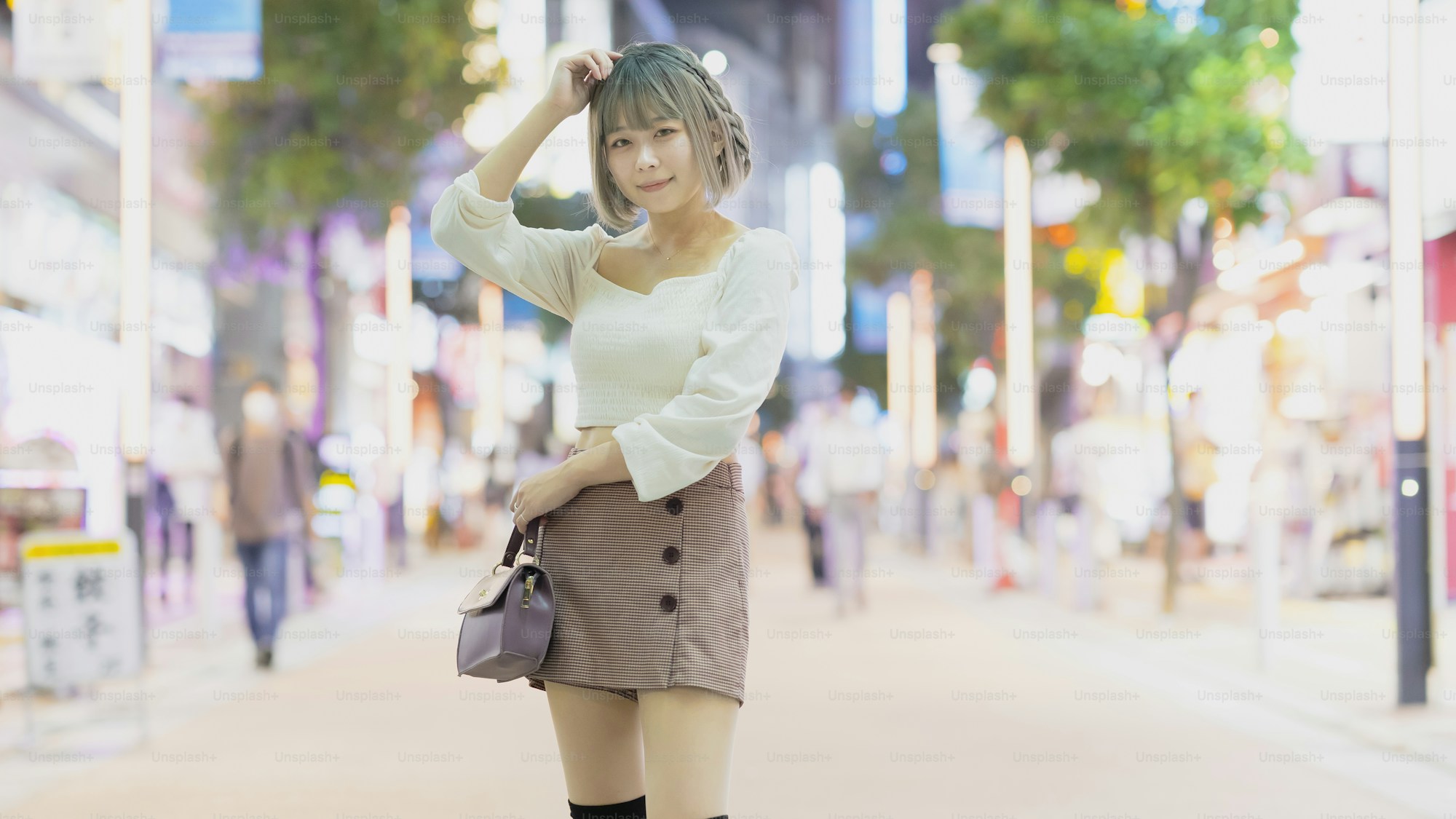
### Street Style Capital: Tokyo's Harajuku, Shibuya, and Omotesando neighborhoods influence global street fashion. Tokyo Fashion Week celebrates this energy, making street style as important as runway fashion.
## The Schedule:
The week features 20+ official designer shows, partnership programs with international brands, and showcases for emerging talent. Unlike Western fashion weeks, Tokyo emphasizes cross-cultural collaboration, regularly featuring designers from China, Thailand, and throughout Asia.
## For Models:
### What Tokyo Looks For: - Unique, distinctive looks (not cookie-cutter beauty) - Comfort with avant-garde styling and conceptual fashion - Professionalism and punctuality (Japanese work culture values reliability) - Willingness to embrace experimental makeup, hair, and styling
### Opportunities: Tokyo offers incredible opportunities for models interested in editorial and avant-garde work. Japanese designers often cast models who might not fit traditional Western standards, celebrating individuality and uniqueness.
### Cultural Considerations: - Learn basic Japanese greetings and phrases - Understand Japanese business etiquette (bowing, business cards, punctuality) - Respect for hierarchy and seniority is crucial - Patience and politeness are highly valued
## For Photographers:
### The Tokyo Photography Scene: Japanese fashion photography emphasizes mood, atmosphere, and storytelling over straight beauty shots. Study photographers like Nobuyoshi Araki and Daido Moriyama to understand the aesthetic.
### Technical Excellence: Tokyo demands technical perfection. Lighting, composition, and post-production must be flawless. Japanese clients expect absolute precision.
### Opportunities: - Street style photography during Fashion Week is highly valued - Editorial work for Japanese fashion magazines (Vogue Japan, ELLE Japan) - E-commerce photography (Japan's fashion retail industry is massive) - Collaborations with Japanese brands expanding internationally
## Beyond Fashion Week:
### Year-Round Opportunities: Tokyo's fashion industry doesn't sleep. Throughout 2026, explore: - Shibuya Fashion Week - Tokyo Girls Collection (commercial fashion showcase) - Rooms Tokyo (emerging designer fair) - Various pop-up events and exhibitions
### Neighborhoods to Explore: - **Harajuku:** Youth fashion and street style - **Omotesando:** High-end boutiques and flagship stores - **Shibuya:** Commercial fashion and trends - **Shimokitazawa:** Vintage and independent designers - **Ginza:** Luxury fashion district
## Practical Information:
### Getting Around: Tokyo's subway system is world-class. Get a Suica or Pasmo card for easy transit. Most Fashion Week venues are accessible via metro.
### Accommodation: Stay in Shibuya, Harajuku, or Omotesando to be close to the action. Budget options include capsule hotels and Airbnbs in residential neighborhoods with good transit connections.
### Visa Requirements: Most visitors can enter Japan visa-free for up to 90 days. Working models/photographers need proper work visas—coordinate with Japanese agencies well in advance.
## The Tokyo Advantage:
### International Gateway: Tokyo connects to Seoul, Shanghai, Hong Kong, and other Asian fashion capitals. Many models and photographers use Tokyo Fashion Week as a springboard to work throughout Asia.
### Innovation Hub: Japan's fashion-tech collaborations create opportunities unavailable elsewhere. From digital fashion to sustainable manufacturing, Tokyo leads innovation.
### Cultural Experience: Working Tokyo Fashion Week immerses you in Japanese culture, aesthetics, and hospitality. The experience extends far beyond fashion.
## 2026 Outlook:
With its 20th anniversary, Tokyo Fashion Week 2026 promises to be extraordinary. Expected highlights include major international collaborations, sustainability initiatives (Japan takes environmental responsibility seriously), and showcases of emerging Asian talent.
## The Bottom Line:
Tokyo Fashion Week offers something no other city can: a vision of fashion's future rooted in deep cultural tradition. For models and photographers willing to embrace a different aesthetic and work culture, Tokyo presents unparalleled opportunities. Start researching Japanese agencies and photographers now—Tokyo 2026 could be your breakthrough moment.